





From Acting to Screenwriting: Why Believability Matters in Every Story I Tell
Quick Answer: Great storytelling works because audiences emotionally connect to believable characters, grounded worlds, and realistic human reactions, even inside horror, sci-fi, and fantasy stories.
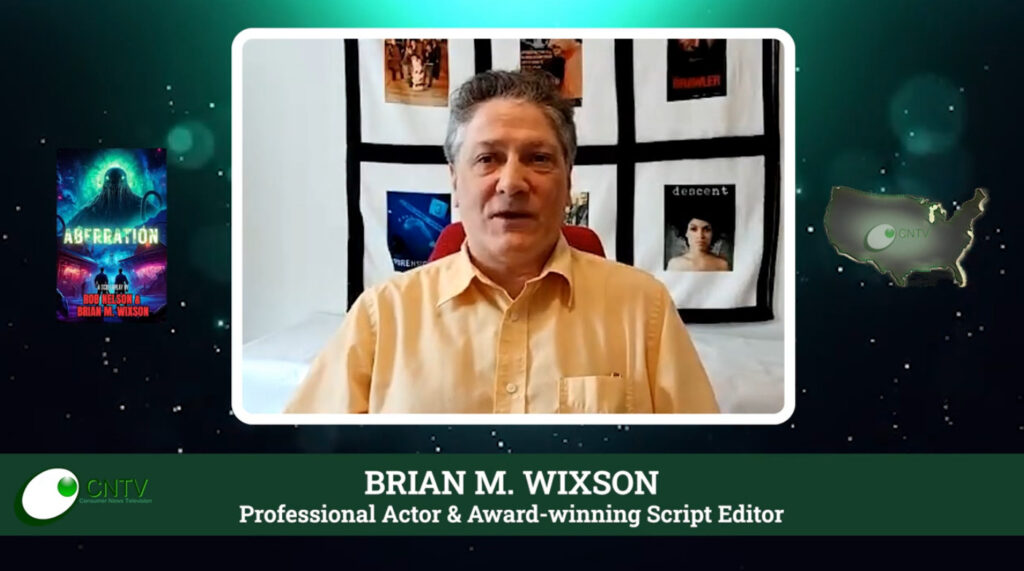
Recently, I had the opportunity to sit down with CNTV to talk about my journey through acting, screenwriting, script editing, and storytelling. We discussed everything from horror films and script development to why realism and logic matter so much in filmmaking today.
How I Returned to Acting
For those who may not know my background, I actually spent years heavily focused on music performance, particularly trumpet, throughout high school and college.
My return to acting happened almost accidentally in 2003 after I came across an online post looking for extras and production assistants for a small independent project filming on weekends in New Jersey.
After spending just one day on set, I immediately caught the acting bug again.
From there, I started building experience through background roles, small speaking parts, and independent productions before gradually moving deeper into storytelling and screenwriting.
How Script Editing Changed My Writing
Before I ever seriously wrote my own screenplays, I spent years helping other writers improve theirs.
That experience became incredibly valuable because it allowed me to see:
- Common screenplay formatting mistakes
- Weak dialogue and unrealistic scenes
- Plot holes and continuity issues
- Character decisions that didn’t feel believable
- Technical inaccuracies that could pull audiences out of the story
Over time, I developed a reputation as a “script doctor,” helping writers strengthen realism, pacing, and overall story structure.
That analytical side naturally carried into my own writing.
Why Believability Is So Important in Film
One of the biggest points I discussed during the interview is something I strongly believe about storytelling:
If you want audiences to believe the impossible, you first have to make the world around it believable.
That applies whether you’re writing:
- Horror screenplays
- Science fiction films
- Mafia stories
- Psychological thrillers
- Christmas dramas
Even when the central concept is unrealistic, the characters, dialogue, reactions, and environment must still feel authentic.
Audiences notice details.
They notice when characters behave irrationally just to move the plot forward. They notice continuity problems. They notice when the logic of the story world breaks down.
For me, realism is what helps emotionally ground even the wildest concepts.
The Inspiration Behind Aberration
One of the projects we discussed during the interview was my horror sci-fi screenplay Aberration, which blends creature-feature horror with suspense, humor, nostalgia, and survival elements.
Inspired by classics like The Blob and John Carpenter’s The Thing, the story takes place around the grand reopening of a renovated amusement park in North Carolina.
What starts as a contained horror concept gradually evolves into large-scale chaos as an alien organism grows, adapts, and terrorizes an entire community.
What I enjoyed most creatively was balancing:
- Horror and suspense
- Dark humor and personality
- Large-scale danger
- Human emotional stakes
At its core, the story is still about ordinary people trying to survive extraordinary circumstances.
The Human Element Matters Most
No matter the genre, I always come back to the same thing:
The human element.
Whether it’s:
- A struggling family trying to stay together
- A group of strangers forced to work together
- Characters facing impossible situations
- People dealing with fear, loss, or survival
Those emotional truths are what audiences connect to most.
For me, great storytelling isn’t just about spectacle or scares. It’s about creating characters who feel real enough that audiences emotionally invest in what happens to them.
Why Collaboration Matters in Filmmaking
Another important topic we discussed during the interview was collaboration.
Film and television are team efforts.
Even after I finish writing a screenplay or complete my part of a project, I continue supporting it because the ultimate goal is seeing the final work succeed.
That means:
- Promoting projects
- Supporting fellow creatives
- Helping generate audience interest
- Contributing beyond just the writing process
I’ve always believed that if one part of a production succeeds, everyone benefits from it.
Watch the Full CNTV Interview
If you’re interested in screenwriting, independent filmmaking, acting, script development, story realism in film, or horror and sci-fi storytelling, I invite you to watch the full interview where we go much deeper into the creative process, writing philosophy, and the realities of working in entertainment.
- Actor, screenwriter, and script editor based in New Jersey
- Writing and developing film projects since 2016
- Background in independent film and acting since 2003
- Known for horror, sci-fi, thriller, and character-driven storytelling
- Focuses heavily on realism, continuity, and emotionally grounded narratives